This guide summarises published guidance as of October 2026. It is not legal advice. Rules and enforcement can differ between emirates, so check current police or licensing guidance before fitting film.
The rule in one line
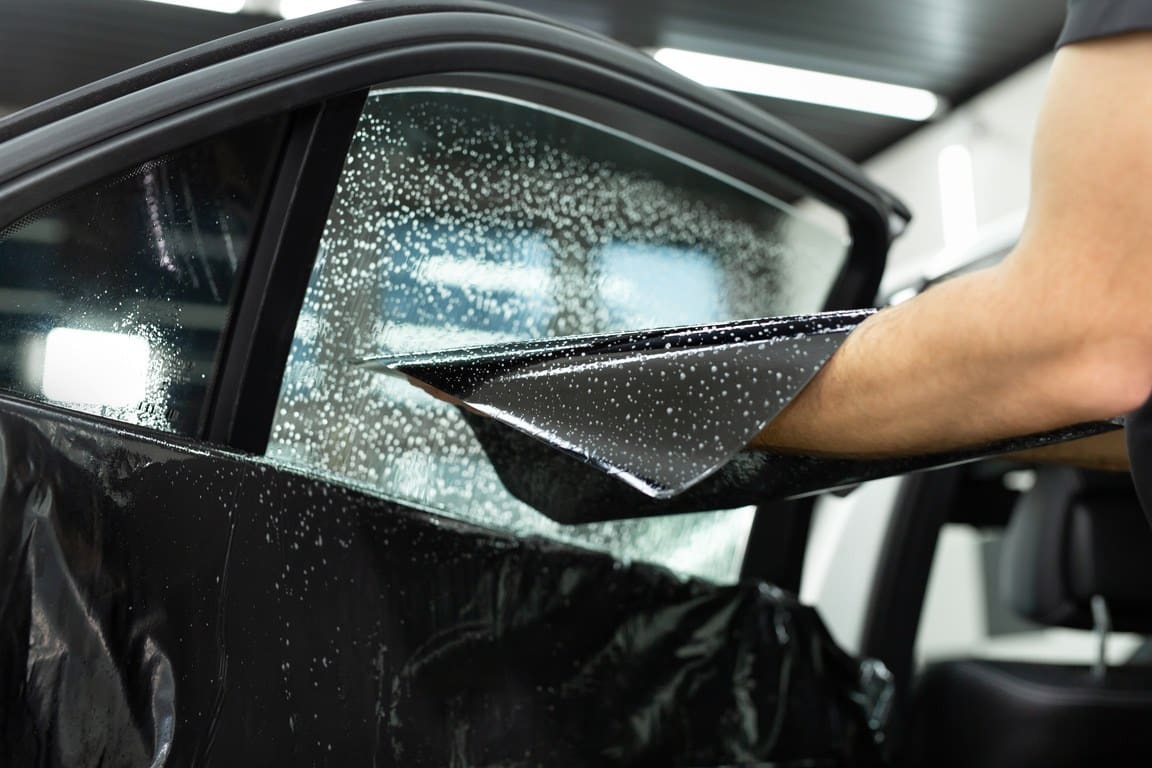
Side and rear windows may be tinted down to 50% visible light transmission (VLT). The front windscreen may not be tinted, apart from a strip at the top that Dubai Police has said is permitted.
The 50% limit was raised from 30% under a 2017 ministerial resolution. Taxis and some commercial vehicles are treated differently.
What "50%" actually measures
VLT is the share of visible light that passes through the glass. 50% means half the light gets through. Lower numbers are darker.
Two things catch people out:
- The glass itself is not perfectly clear. Factory glass already blocks some light, so a film's own rating is not the same as the reading through the finished window. Police meters measure the window, not the film box.
- Darkness is not heat rejection. Most cabin heat is infrared. A light nano ceramic film can reject more heat than a darker, cheaper dyed film. If keeping the car cool is the goal, compare heat-rejection figures, not shades.
The windscreen
The main area of the windscreen cannot be tinted. Dubai Police clarified in 2018 that a band up to 15 cm from the top is allowed. Some other emirates have stated stricter positions, so ask before fitting anything to front glass.
Clear windshield protection film is a different product: it does not darken the glass and exists to protect it from sand pitting and chips. We confirm current guidance on front-glass films when you book.
Penalties
Exceeding the permitted tint carries a fine. In Dubai, vehicles can also be impounded, with a release fee reported at AED 10,000 under a 2023 decree. The cost of fitting the wrong film is far higher than fitting the right one.
Exemptions
Darker tint for medical reasons requires prior approval from the police or licensing authority, with supporting documents. Approval is specific to the vehicle and driver.
How to keep a car cool within the rules
- Choose a nano ceramic film. It targets infrared heat without needing a dark shade.
- Ask for the specification sheet. Compare total solar energy rejected (TSER) and infrared rejection per film.
- Fit a legal shade on every window, judged on the finished glass rather than the film's own rating.
- Protect the windscreen separately. Use clear windscreen film for sand protection, not tint.
Get a tint quote and we will recommend a film for your car and how you use it.