
Paint protection film in Dubai: stone chips hit the film, not your paint
About 8 mil of clear, self-healing urethane between the road and your paint. Stone chips and sand hit the film first, light wash marks close with heat, and the factory paint stays underneath. Choose how much of the car to cover, and the finish.
Send your car model on WhatsApp or the form. You get a written price for your exact car before anything is booked.
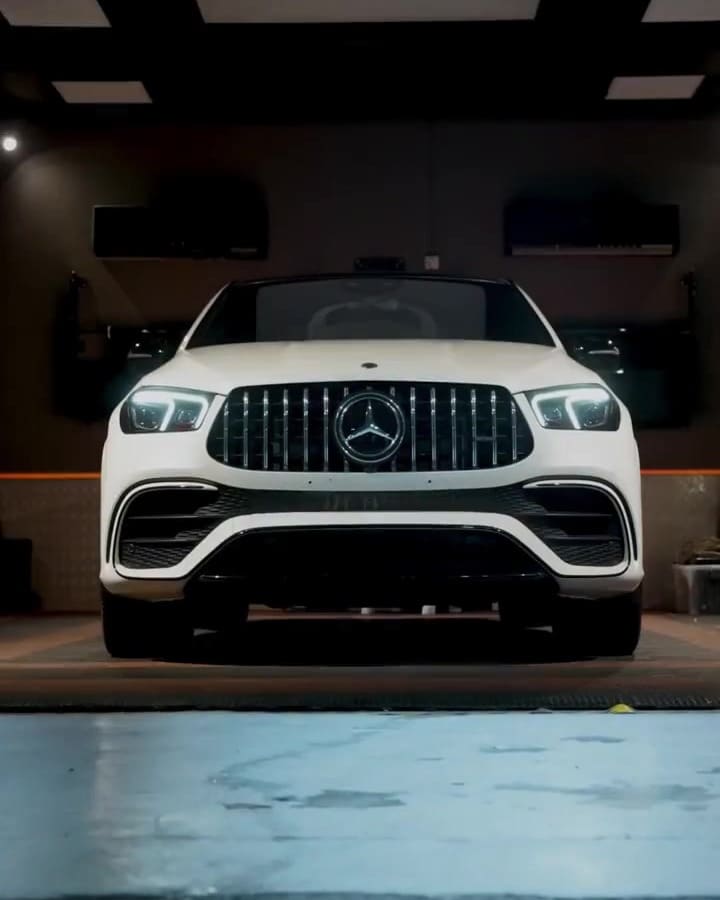
Engineered for GCC conditions
Built for heat, UV exposure, sand and daily road impact.
Self-healing technology
Light marks in the top coat relax and close with heat.
High optical clarity
Preserves the original paint appearance with minimal distortion.
Professional installation standards
Trained installers, controlled preparation and precision fitment.
See the work
Fitted by hand, panel by panel.
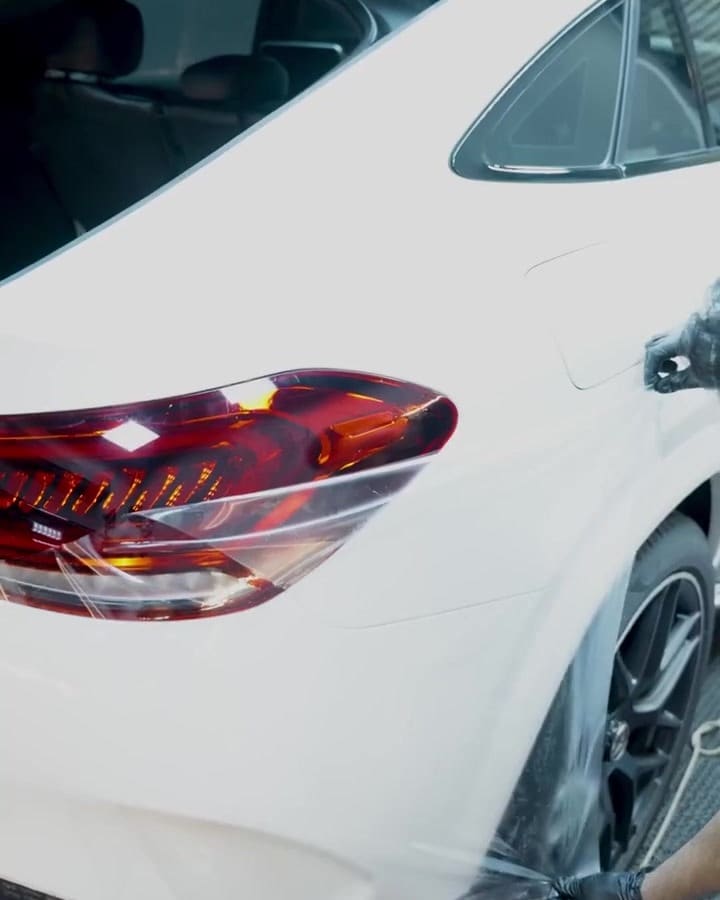
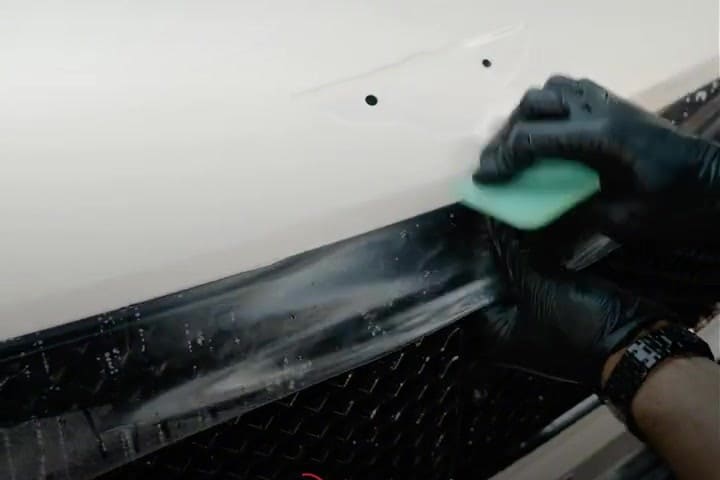
This is a real job in our studio, not a render. The film is laid wet, positioned by hand and worked out to the panel edge.
What PPF actually does
Paint protection film is a transparent thermoplastic polyurethane (TPU) film bonded to painted panels with a pressure-sensitive adhesive. When a stone hits the bonnet at highway speed, the film deforms and absorbs the impact instead of the clear coat chipping.
The top coat is self-healing: light swirl marks and fine scratches in the film relax and close up with heat, which in a UAE summer often means parking in the sun. Deep cuts that go through the film do not heal, but they also do not reach the paint.
PPF is not a coating. It is a physical layer you can remove later, which is why it is the standard choice for owners who want the factory paint intact at resale.
- Self-healing top coat
- Light scratches relax and close with heat
- Aliphatic TPU
- Flexes and absorbs stone impacts
- Acrylic adhesive
- Pressure-sensitive; releases cleanly from OEM paint
Film specification
Maxguard PPF is a three-layer film: a self-healing top coat over an aliphatic polyurethane core, bonded with a pressure-sensitive acrylic adhesive. The figures below are from the current Maxguard specification; the warranty certificate issued with your vehicle is the binding document.
Technical data sheet available to dealers and installers on request.
Choose your coverage
Most chips land on the front of the car. Coverage is priced by how many panels are wrapped, so start with where your car takes damage.
Protected Unprotected paint
Gloss, satin or matte
The same protective film is available in three surface finishes. Gloss keeps the paint looking as it left the factory. Satin and matte change the look of a gloss car, or protect a car that is already matte.
Gloss
Invisible on gloss paint. Keeps the factory look and adds depth.
Satin
A soft sheen that turns gloss paint into a satin finish.
Matte
Flat finish. Protects factory matte paint or makes a gloss car matte.
Swatches illustrate how each finish reflects light. See real film samples on your car at the studio.
Where PPF earns its cost
Highway commuters
Daily E11, E311 or Abu Dhabi runs put the front bumper and bonnet in the path of gravel and sand. Full-front coverage is usually the right starting point.
New and leased vehicles
Film fitted before the first chip keeps original paint for resale or lease return, and can be removed without damage when it is professionally lifted.
Matte and special paint
Factory matte paint cannot be polished. Matte film protects it while keeping the finish.
Cars parked outside
Film shields against bird droppings, tree sap and sand-laden wash marks that etch clear coat in summer heat.
What PPF won't do
- It does not fix existing chips or scratches. Damage is corrected before film goes on, or it stays visible under the film.
- It is not covered on repainted, aftermarket or vinyl surfaces. Film is installed on fully cured OEM paint.
- It does not make a car impact-proof. A heavy strike or accident can damage both film and panel.
- Edges need care. Avoid pressure-washing close to film edges, especially in the first weeks.
How installation works
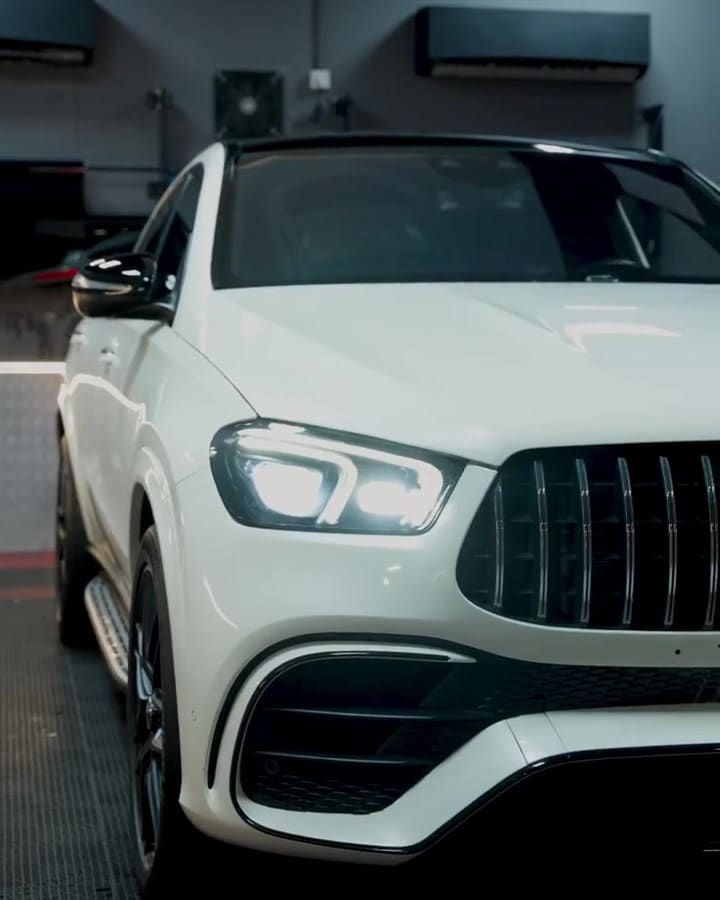
Inspection and coverage plan
We inspect the paint under light, note existing damage and agree coverage and finish with you.
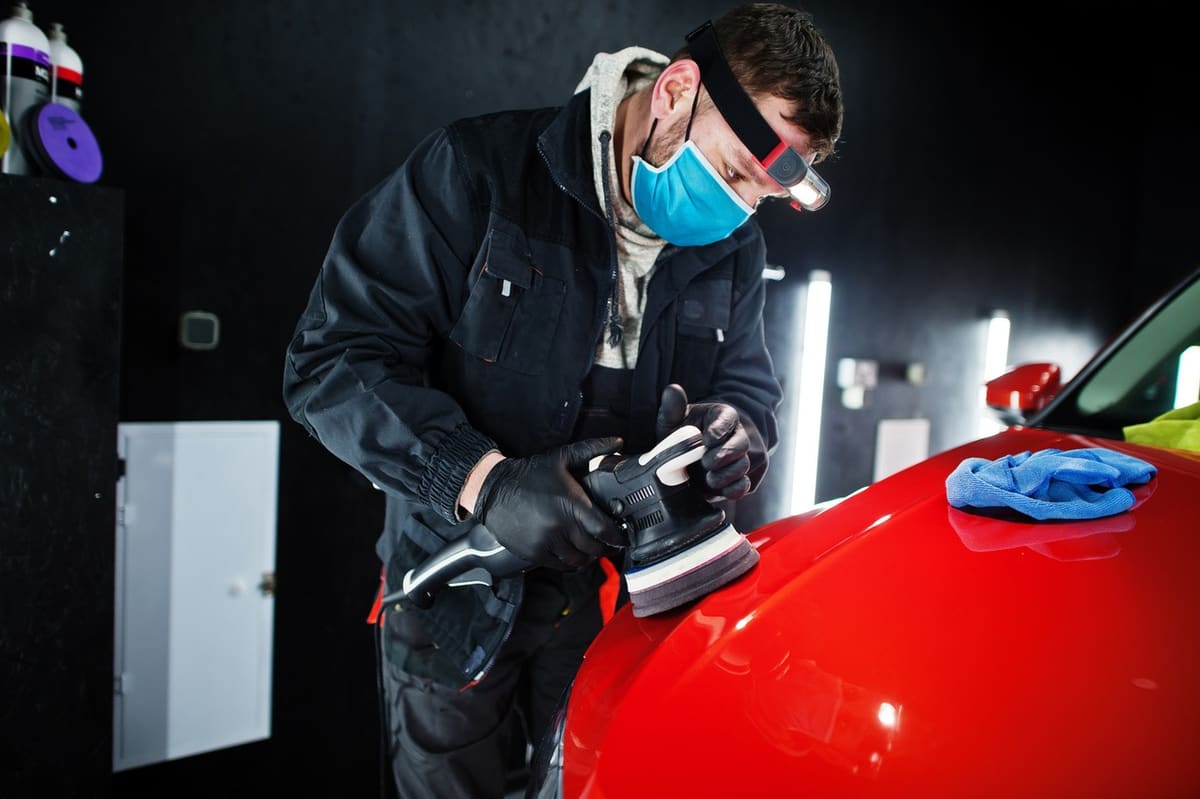
Wash, decontaminate and correct
Deep wash, clay and, where needed, polishing so the film bonds to clean, corrected paint.
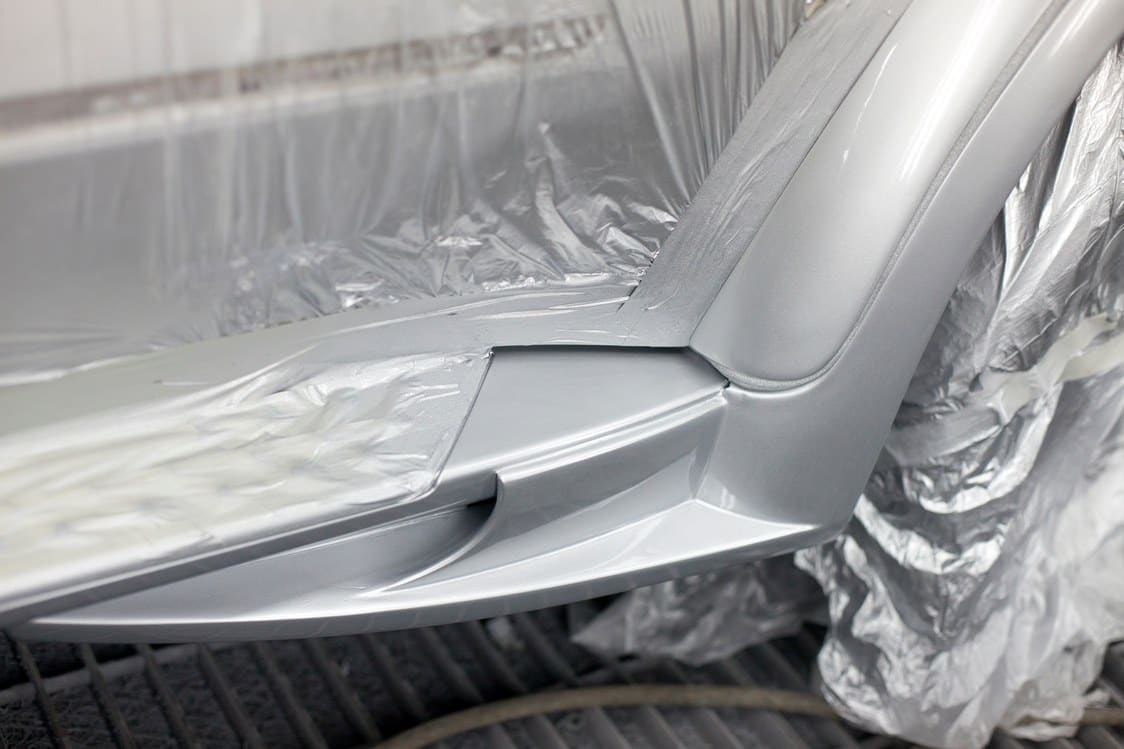
Fit the film
Panels are filmed with wrapped edges where the panel allows, so the edge sits out of sight.
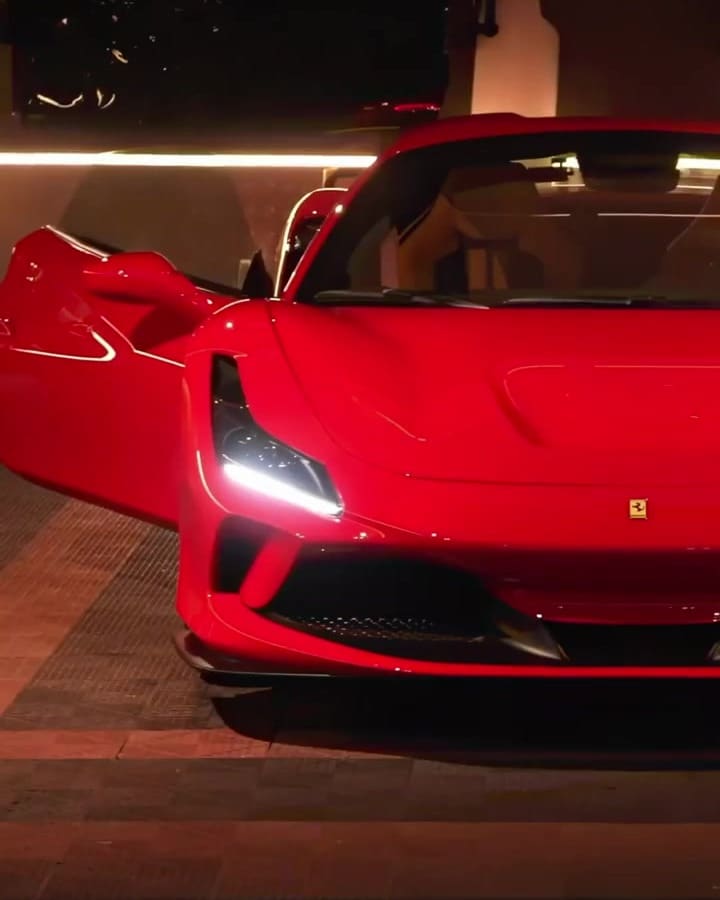
Inspect and issue the warranty
Final inspection under light. Your warranty is registered against your VIN and you receive care instructions.
Warranty and aftercare
Covered
Limited warranty against manufacturing defects (adhesive failure, bubbling, cracking, peeling, delamination, discoloration, yellowing) for the original purchaser on professionally installed film.
Maxguard warranties are registered against the vehicle's VIN.
Not covered
- Repainted, aftermarket or vinyl surfaces
- Impacts, accidents and scratches from external damage
- Misuse, abrasive cleaning or unauthorised installation
Questions customers ask
How long does PPF installation take?
It depends on the coverage and the vehicle: a front-impact job is much shorter than full body, where every panel is prepared and filmed. We give you the studio time for your car with the quote, so you can plan around it.
Can PPF be removed without damaging the paint?
Yes, when it is removed professionally from original factory paint. The film is designed to release cleanly. Repainted panels carry more risk, which is why the warranty covers OEM paint only.
When can I wash the car after PPF?
Wait three to four days before the first wash. After that, use a pH-neutral shampoo, avoid abrasive products and keep pressure-washer nozzles away from film edges.
Is PPF worth it on a car parked outside in Dubai?
Usually, yes. Outdoor parking adds UV, bird droppings and sand in wash water to the road chips you get while driving. Film takes that wear instead of your clear coat.
Should I add ceramic coating on top of PPF?
It is optional. A ceramic top coat makes the film easier to wash and adds water beading, but it does not add impact protection. If you wash the car often, it is worth considering.
Does the warranty transfer if I sell the car?
The current Maxguard PPF warranty is limited to the original purchaser. Ask us before you sell if you want the film's installation record shared with the buyer.
Get a paint protection film quote
Tell us the make, model and year, and what you want protected. We reply with a vehicle-specific price.
Related services
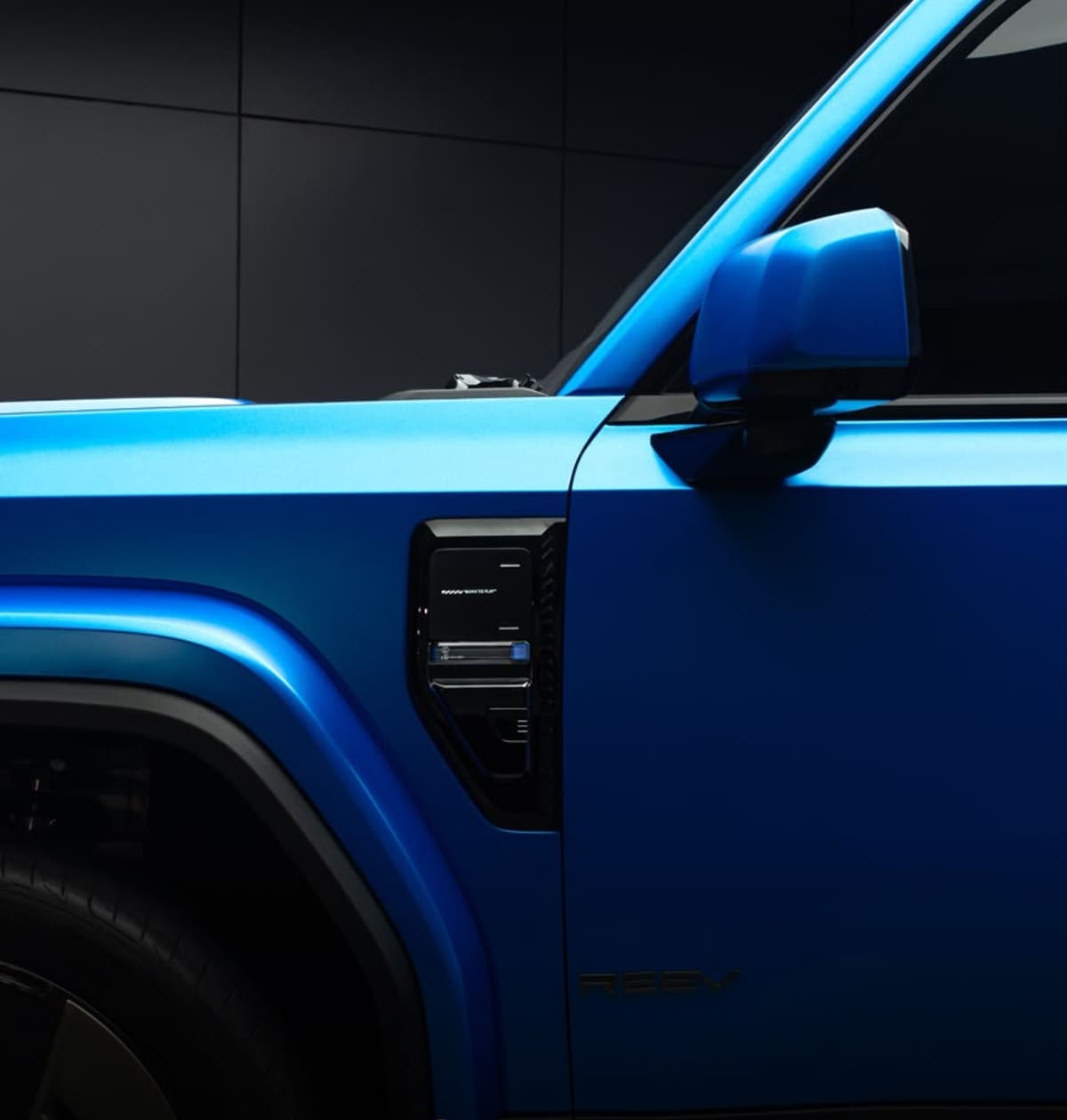
Colour and matte PPF
Change the finish of the car and protect the paint with the same film. Fully reversible.Explore
Ceramic coating
A hard, hydrophobic coating that makes paint, wheels and glass easier to clean and slower to dull.Explore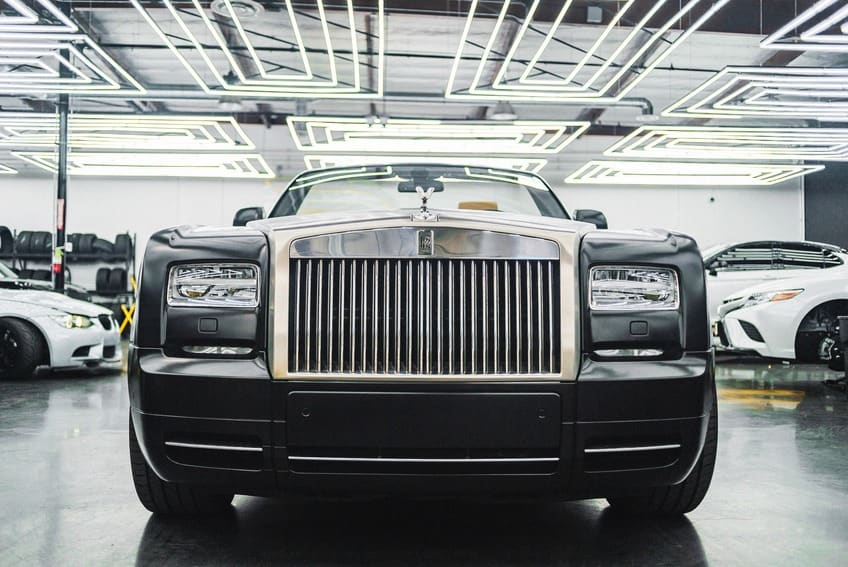
Windshield protection film
A clear film that takes sand-blasting and small stone strikes on the windscreen.Explore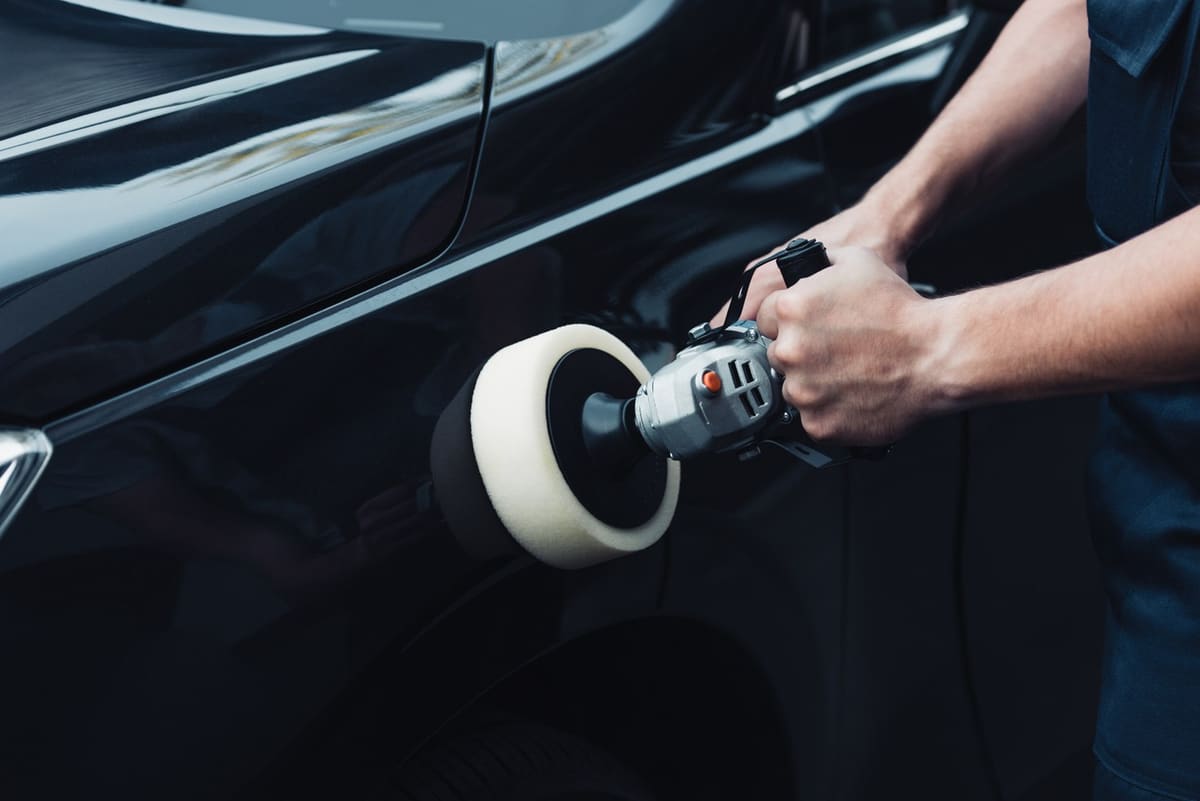
Polishing and paint correction
Machine polishing to remove swirls, oxidation and light scratches before protection or sale.Explore