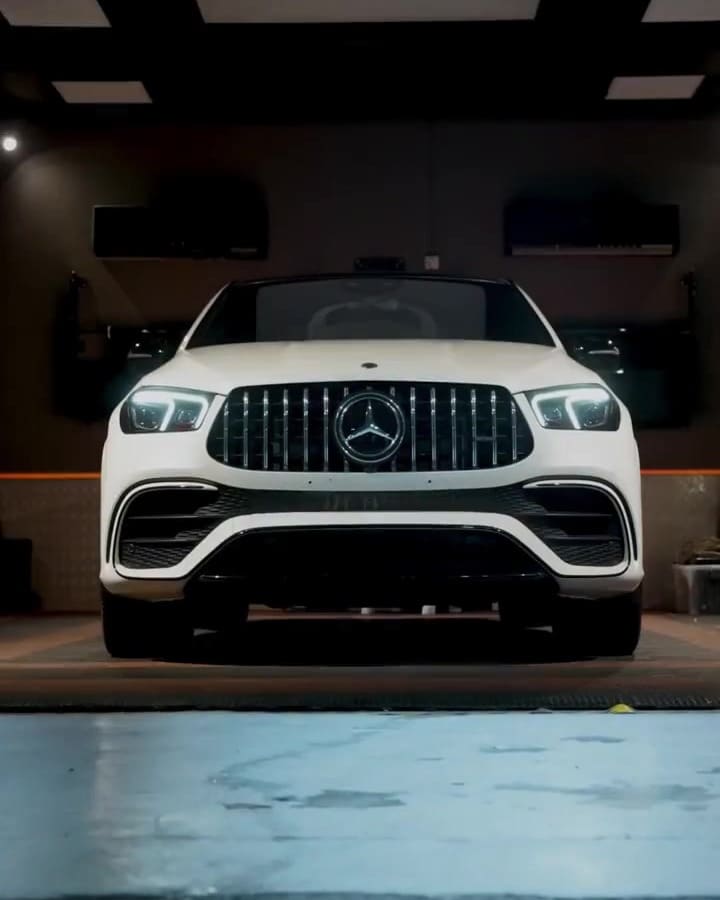
Two quotes for "full-body PPF" can describe very different jobs. The film, the preparation and the installer's habits decide whether it still looks right in year five. These are the questions worth asking before you hand over the keys.
1. Which film, exactly?
Ask for the brand and product name, not just "premium film". A quality film is aliphatic TPU with a self-healing top coat and an acrylic adhesive. Maxguard film is about 8 mil installed and comes in gloss, satin and matte.
2. Who issues the warranty, and what does it cover?
A warranty from the film manufacturer is worth more than a shop's verbal promise. Ask what it covers by name: adhesive failure, bubbling, cracking, peeling, delamination, discoloration and yellowing are the defects that matter. Ask what voids it. Maxguard's terms are published on the warranty page.
3. Is the warranty registered to the car?
If the cover is tied to a paper slip, it is easy to lose and hard to transfer. Maxguard registers every installation against the vehicle's VIN, so the next owner can confirm it too.
4. How is the paint prepared?
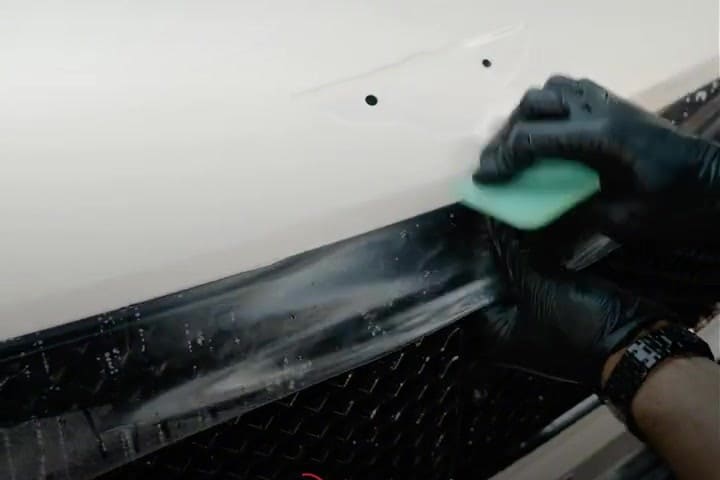
Film magnifies whatever is under it. A good installer decontaminates the paint and points out chips or swirls before fitting, and will offer correction where needed. If nobody inspects the paint with you first, ask why.
5. Are edges wrapped or cut short?
Where a panel allows it, film should wrap around the edge. Film that stops short leaves a visible line and an edge that collects dirt. Ask to see a finished car under light.
6. Is the film cut on the car?
Pre-cut patterns reduce the risk of blades on paint. If film is trimmed on the car, ask how the installer protects the paint.
7. How long will it take?
Rushed jobs show. Full-body film on a large vehicle can take several days. Be wary of a same-day promise for a full car.
8. What should I check on collection?
Look for dust or hair under the film, stretch marks around curves, lifted edges and cut marks on the paint. Small water pockets are normal for a few days and evaporate through the film. Our aftercare guide covers what to expect next.
The short version
Choose the film and the warranty first, then the installer's preparation and edge work. Price comes last, because removing and refitting a poor job costs more than doing it once.